For Ottawa pool owners, the swim season is frustratingly short and heating costs are frustratingly high. A solar pool cover promises to help with both, trapping the sun’s warmth and slashing the energy needed to keep your water comfortable. But how much do they actually save, and are they worth the effort of covering and uncovering your pool?
This guide breaks down exactly how solar covers work, the real heat and cost savings you can expect in Ottawa’s climate, and how to choose the right one. Used well, solar pool covers are one of the most cost-effective upgrades a pool owner can make.
Quick Answer: Do Solar Pool Covers Actually Save Money?
Yes. Solar pool covers can raise water temperature by 5 to 10°C and dramatically cut heat loss, primarily by stopping evaporation, which accounts for the majority of a pool’s heat and water loss. In Ottawa’s climate, a solar cover can reduce heating costs substantially and add weeks to your comfortable swim season. The main trade-off is the effort of putting the cover on and taking it off, which a roller system makes far easier.
How Solar Pool Covers Work
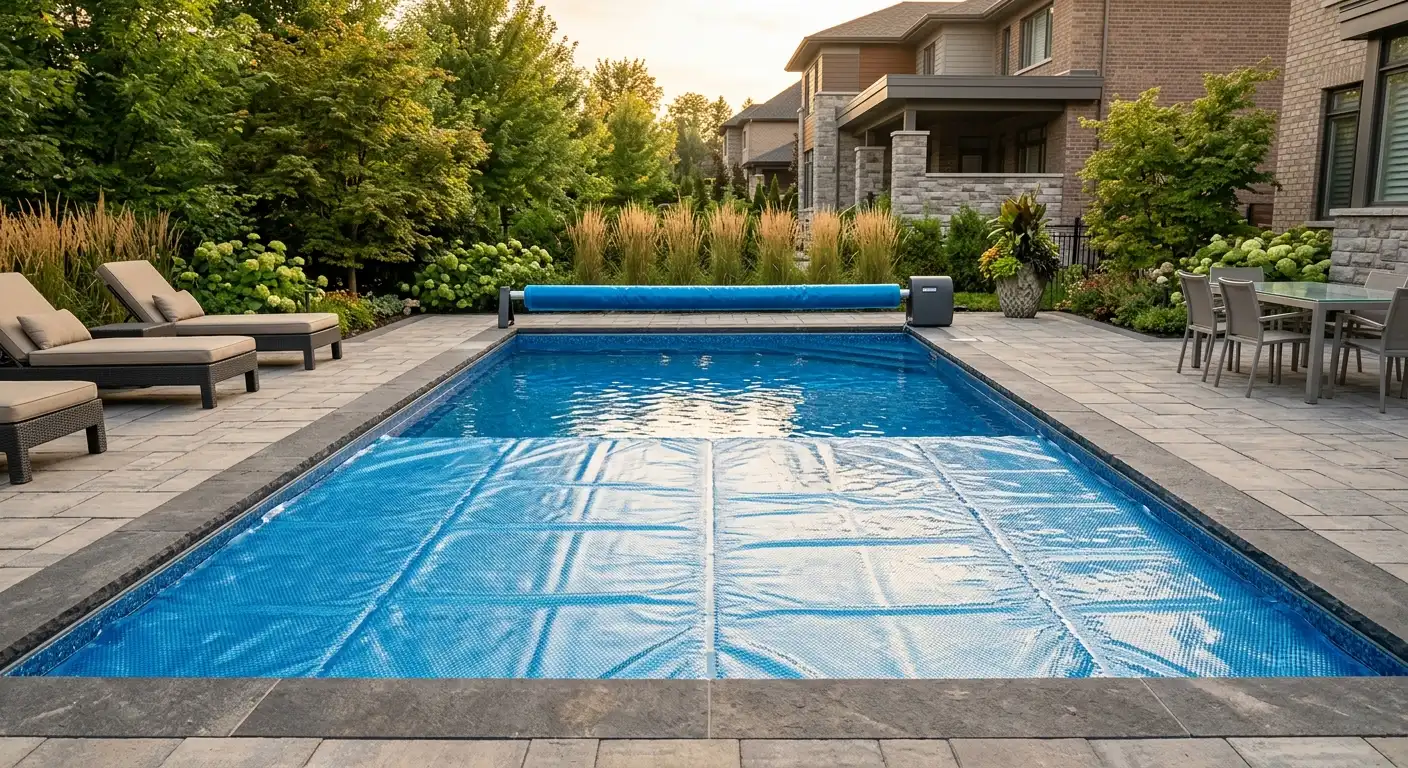
A solar pool cover, sometimes called a solar blanket, is a large sheet of durable material covered in thousands of tiny air pockets that resemble bubble wrap. It floats directly on the water’s surface, bubble-side down, and works in two complementary ways.
First, it captures solar energy. The cover’s material absorbs sunlight and transfers that warmth into the top layer of pool water, acting like a giant solar collector. Second, and even more importantly, it stops evaporation. Evaporation is the single largest source of heat loss in a pool, and covering the surface traps both the heat and the water that would otherwise escape into Ottawa’s cool evening air.
This dual action is why a cover works around the clock, warming during sunny days and retaining heat overnight. Pairing a solar cover with a pool heaters system is the most efficient heating strategy available, since the cover keeps the heat your heater produces from escaping.
How Much Heat Do Solar Covers Add?
In direct Ottawa sunshine, a solar cover can raise your pool’s water temperature by 5 to 10°C over time compared to an uncovered pool. The exact gain depends on several factors:
- Sun exposure: Pools in full sun benefit far more than shaded ones.
- Cover color: Different shades absorb and transmit heat differently.
- Consistency of use: Covers work best when used every night and whenever the pool isn’t in use.
- Wind exposure: Windy, open yards lose more heat, making a cover even more valuable.
The overnight benefit is where covers truly shine in our climate. Ottawa’s summer nights cool off significantly, and an uncovered pool sheds much of the day’s warmth by morning. A cover locks that heat in, so you start each day warmer.
How Much Money Do Solar Covers Save?
The cost savings come from two sources: reduced heating and reduced water and chemical loss.
Because evaporation drives most heat loss, stopping it means your heater runs far less to maintain the same temperature. For pools with a gas or electric heater, this translates into meaningful reductions on your energy bills across the season. The less your heater has to fight overnight cooling, the less you spend.
Solar covers also cut water and chemical costs. Evaporating water carries away balanced chemicals with it, so a covered pool loses less water and needs less frequent chemical topping up. A hidden leak can quietly undermine all these savings, so professional pool leak detection is worth ruling out if your water loss seems higher than evaporation alone would explain. Rather than relying on generic figures, the best way to understand your specific savings is to request a pool repair estimate or consultation, where a professional can factor in your pool size, heater type, and usage. Staying on top of pool water testing ottawa alongside cover use keeps your chemistry stable and your savings consistent.
Types of Solar Covers and Accessories
Not all solar covers are the same, and the right accessories make a big difference in how practical they are to use.
Solar blankets
The standard bubble-style solar blanket is the most common and affordable option, delivering strong heat retention at a low cost. Solar blankets come in different thicknesses, with thicker blankets lasting longer and insulating better.
Solar rings and liquid covers
Solar rings are individual floating sections that are easier to handle than a full blanket, while liquid solar covers form an invisible molecular layer on the surface. Both are lower-effort alternatives, though generally less effective than a full blanket.
Roller systems
The biggest complaint about solar covers is the hassle of removing and replacing them. A roller or reel system solves this, letting one person roll the cover on and off in moments. Adding solar blanket rollers to your setup dramatically increases the odds you’ll actually use the cover consistently, which is where all the savings come from.
Getting the Most From Your Solar Cover
A solar cover only saves heat and money if you use it consistently and maintain it well. Keep it on whenever the pool isn’t in use, especially overnight and on cool or windy days. Store it out of direct sun when removed during peak heat to prevent premature breakdown of the material.
Cover care pairs naturally with overall pool upkeep. Consistent weekly pool maintenance keeps your water balanced so trapped heat isn’t offset by chemistry problems, and a structured pool cleaning service plan keeps debris off the cover and out of the water. Watch for issues like green pool water under a cover, since reduced circulation with a cover on can occasionally mask developing problems. Balanced water also protects against calcium buildup that can form on covers and equipment in the Ottawa Valley’s hard water.
Solar Covers vs. Winter Covers: Know the Difference
It’s important not to confuse a solar cover with a winter cover, as they serve completely different purposes. A solar cover is a warm-season tool for heating and evaporation control. A winter cover, by contrast, is built to protect your pool during Ottawa’s harsh off-season.
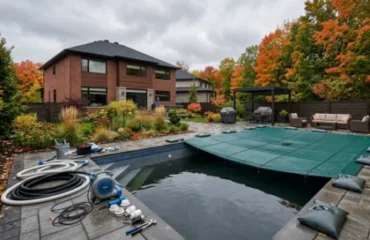
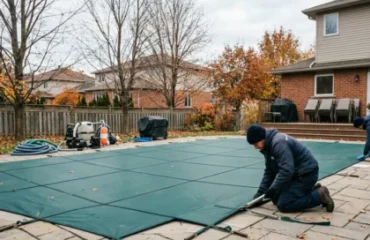
When it’s time to close up, durable pool covers ottawa homeowners rely on are designed to keep debris out and withstand snow and ice, which a thin solar blanket cannot do. For the best winter protection, professional safety cover installation provides a secure, fitted barrier over your pool. Understanding proper winter pool care helps you protect your investment through the freezing months.
Fitting Solar Covers Into Your Seasonal Routine
A solar cover delivers the most value when it’s part of a well-managed seasonal cycle. A professional ottawa pool opening in spring is the ideal time to start using your solar cover and maximize early-season warmth when the water is still cold. As the season winds down, a thorough ottawa pool closing transitions your pool from solar cover to winter protection. Homeowners west of the city can book dedicated pool closing kanata service to handle the switch.
If you’re upgrading your heating setup, a solar cover pairs perfectly with an efficient pump from the swimming pool pumps lineup and can be folded into broader pool renovations ottawa projects. If your existing heater is aging, a professional pool equipment replacement assessment ensures your heating system and cover work together for maximum efficiency.
Get Expert Help Choosing the Right Solar Cover
Choosing the right solar cover, roller, and heating combination is easier with local guidance. For more than 30 years, ML Pool Services has helped Ottawa Valley homeowners extend their swim season and cut heating costs with the right equipment for our climate. Our team can recommend the ideal cover thickness, roller system, and heating pairing based on your pool’s size, sun exposure, and goals.
Explore the full range of pool services and pool products we offer to get more warmth and more swimming out of every Ottawa summer.
Ready to start saving heat and money? The team behind ottawa pool services at ML Pool Services is here to help. Contact us to get started with a free, no-pressure quote.