The use of a swimming pool goes beyond filling it up with water and jumping right in. It is absolutely important to open a pool correctly to guarantee safe operation and chemical safety. ML Pools provides the following guide to help prepare your pool opening for summer.
Avoid Emptying the Pool
Even where the cold climate is really harsh, never empty the swimming pool. Only empty the pool when you have no other option such as when undertaking pool renovations and upgrades or there have been too many leaves at the bottom to remove.
Completely draining the pool can pose big problems. In areas where the water table is high, the empty pool can be lifted right out of the ground. The weight of water in the pool helps to hold down the pool even where the water table sits high. If the pool lifts out of the ground, it will call for complete pool replacement. If you are unsure about the condition of your pool structure, request a free estimate before making any decisions.
Clean the Pool
Perform a chemical opening of the pool. Ensure that the filtration system is working, clean all baskets, and remove plugs used to close the pool. You should leave the winter cover on as you work on the pool. If your equipment is not running properly, consider scheduling a pool equipment troubleshooting service to identify the issue early.
Top Off the Pool
Top off the pool if the water levels have decreased during winter. Clean the pool filter before turning the filter system on. The cartridge filter should be cleaned by removing the cartridge and washing with a hose. To clean a sand filter, the filter should be set to backwash to clean the sand and then turned back to the normal setting. If your swimming pool pump is struggling to circulate water after startup, it may need servicing or replacement.
Test Your Water
Have the water of your pool tested professionally. You can take a water sample from the pool and bring it in for a complete water analysis. The water will be tested for pH, total alkalinity, mineral content, and for chlorine levels. The test results will inform which parameters need to be adjusted.
Balance Chemicals
The following recommendations will help balance chemicals and sanitizers in the pool:
- pH Level (7.2 to 7.4) – Soda ash, sodium bisulfate or muriatic acid is used to increase the pH of your pool.
- Total Alkalinity (80 to 120) – Having the correct alkalinity levels acts a pH buffer. Sodium bicarbonate is used to increase alkalinity whereas muriatic acid is used to decrease alkalinity.
- Calcium Hardness (150 ppm to 250 ppm) – Use calcium chloride to adjust the calcium hardness of your swimming pool water. Unbalanced calcium levels can lead to calcium buildup on your pool walls and liner.
- Chlorine (1 ppm to 3 ppm) – Use cyanuric acid for your pool since it has the ability to inhibit the sun’s ability to burn off chlorine. A chemical feeder can help automate and maintain consistent chlorine levels.
Wait for Water to Clear
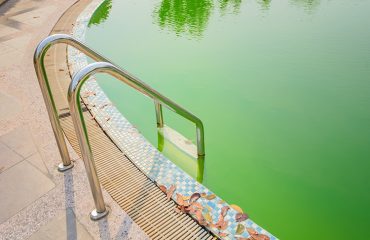
The entire process of preparing the swimming pool may take about a week. It is a continuous process of cleaning out the filter until the water is clear and the addition of chlorine to attain the required level. Remove the cover only when the water is clear and you can see the floor of your pool. You can now dive in and enjoy a dip in the pool.
Maintenance
To keep the pool clean and usable over the rest of the season, test chemical levels daily, keep the filter clean, and vacuum the pool weekly. Start the season with a clear, balanced pool by scheduling your weekly pool maintenance. ML Pools recommends that you get a professional test for the pool water once every month. When the season ends, a proper pool closing service will protect your investment through the winter.
Looking for professional guidance to prepare your pool? Contact us today.